Ever wondered why oil and gas drilling keeps popping up as a discussion point among savvy investors? The answer is pretty simple: there’s real potential for steady, attractive returns if you know where to look and how to approach it. In this guide, you’ll learn practical strategies to maximize your returns, what makes these investments unique, and how to spot opportunities that align with your financial goals. Whether you’re new to this space or just looking to sharpen your approach, you’ll find clear, actionable insights here.
Understanding Oil And Gas Drilling as an Investment

Oil and gas drilling means putting money into the process of extracting oil and natural gas from the earth. Unlike buying stocks or bonds, you’re investing in physical assets that produce something the world uses daily. The payoff can be higher than more traditional investments, and there are unique advantages, like certain tax benefits for accredited investors. But as with any investment, there are risks and rewards to weigh.
For example, oil and gas returns can be influenced by global supply and demand, regulatory changes, and even weather patterns. This makes it vital to understand not just how drilling works, but also the broader forces that can affect your bottom line.
Why Accredited Investors Are Drawn to Energy Opportunities
Accredited investors, those who meet specific financial requirements, often look for investments that offer more than just average returns. Oil and gas drilling stands out because it can provide both current income (from the sale of oil and gas) and long-term growth. Plus, it’s an option for diversification, spreading your risk beyond stocks and real estate.
Many are also interested in the potential tax benefits. For instance, certain costs related to drilling and production may be deductible, which can help offset other income. It’s a smart way to manage your overall tax bill while aiming for meaningful returns.
Key Strategies for Maximizing Oil and Gas Returns
Maximizing returns isn’t about chasing the highest payout, it’s about smart decisions from the start. Here are some practical steps to take:
- Research the operator’s track record. Work with partners who have a proven history of successful drilling projects and responsible management.
- Evaluate location and geology. Not all wells are created equal. Wells in proven, productive regions carry less risk than those in untested areas.
- Understand the project structure. Some opportunities offer direct ownership in wells, while others are pooled through partnerships. Each approach has different risk and reward profiles.
- Look for sustainable energy investments. Projects that use modern, efficient technology and responsible practices can offer more stable returns and align with growing demand for cleaner energy.
- Review exit strategies. Know how and when you can cash out or sell your interest. A clear plan can help protect your investment.
Managing Risks in Oil And Gas Drilling
Any investment comes with risks, and oil and gas drilling is no different. The key is understanding what you’re dealing with and having a plan to manage it. Here’s how you can protect yourself:
- Diversify your portfolio. Don’t put all your money into one well or project. Spread your investments to reduce the impact if one underperforms.
- Stay informed on market trends. Watch for changes in oil prices, regulations, and technology that could affect your returns.
- Work with transparent partners. Choose companies that communicate openly about risks, costs, and the status of your investment. Transparency reduces surprises.
The Role of Sustainability in Modern Energy Investments
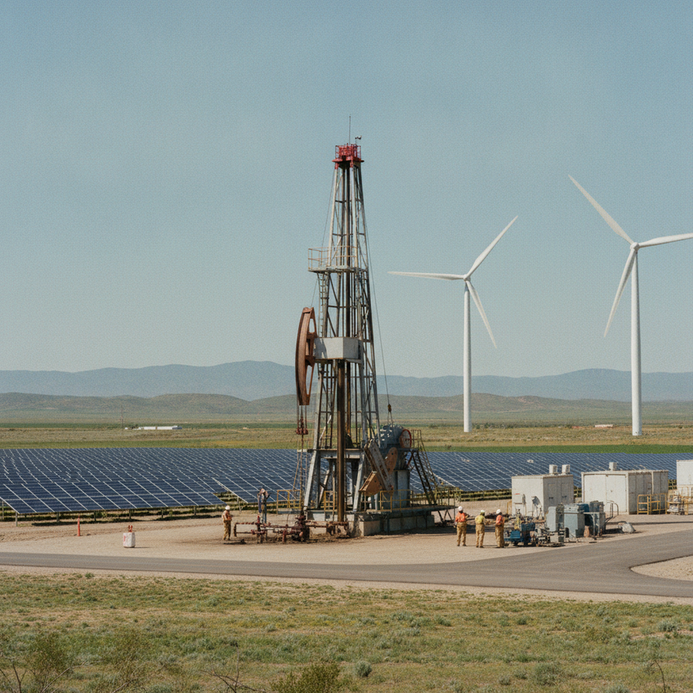
Sustainability isn’t just a buzzword. It’s changing the way investors approach oil and gas drilling. Today, many opportunities emphasize efficient operations, reduced environmental impact, and responsible water and land use. These practices don’t just help the planet, they can also lead to better, more reliable returns.
When you consider sustainable energy investments, you’re looking at projects designed for the long haul. Investors often find that these projects are less likely to face regulatory delays or community opposition, which means steadier performance over time.
(Image placeholder: A modern oil drilling operation using eco-friendly technology)
Prompt: A modern oil drilling operation in daylight with visible solar panels and wind turbines nearby, showing a blend of traditional and sustainable energy technology. Photorealistic, crisp detail, blue sky.
How Optimum Energy Partners Helps Accredited Investors Succeed
At Optimum Energy Partners, we specialize in connecting accredited investors with oil and gas drilling opportunities that are researched, structured, and managed for capital efficiency. Our team uses expert analysis and trusted partnerships to find projects with strong growth potential and responsible practices. We believe in clear communication, so you always know where your investment stands.
If you’re interested in maximizing your returns while supporting sustainable energy investments, we’re here to help you navigate the options and make informed decisions that fit your goals.
Conclusion
Oil and gas drilling can be a powerful way for accredited investors to seek higher returns and benefit from unique tax advantages. With the right strategies and transparent partners, you can invest confidently and responsibly. Contact us to learn more.